
Introduction |
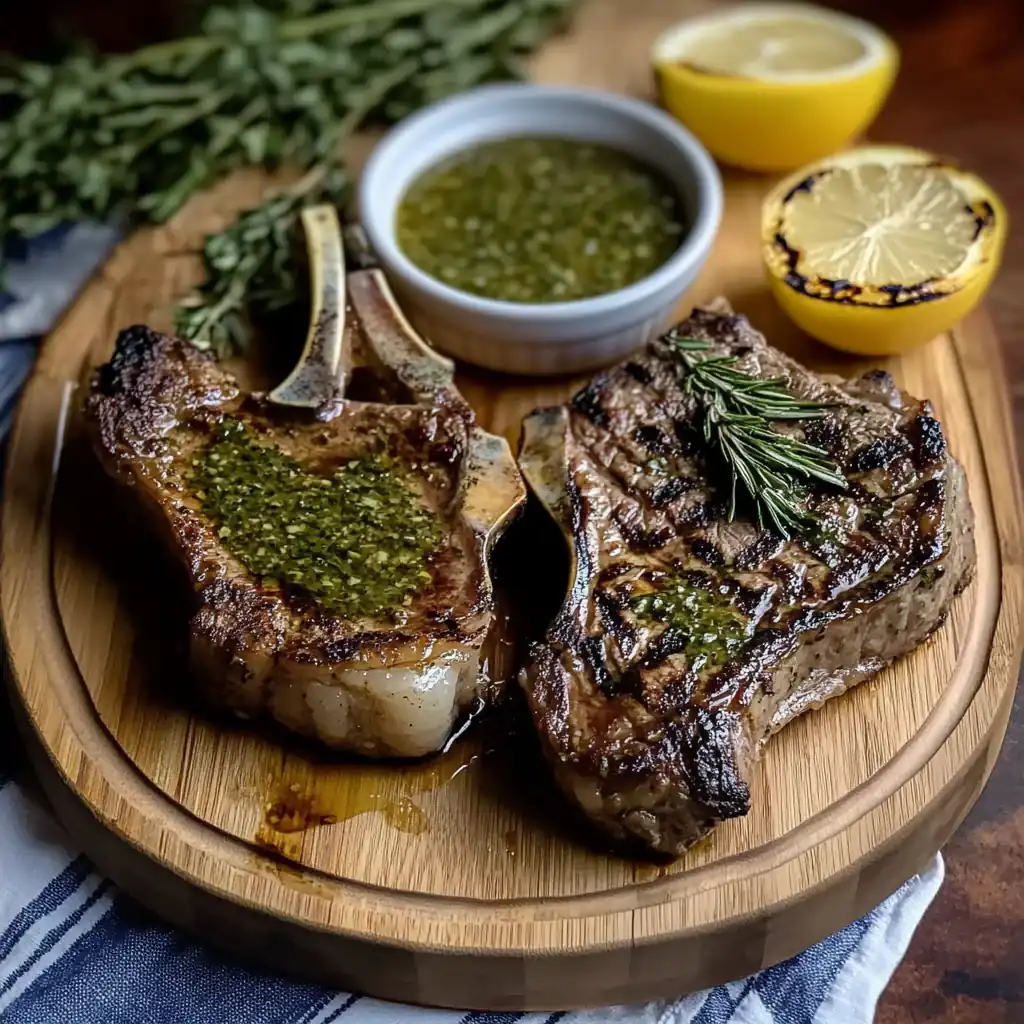
The scent of charred mahogany beef mingling with the sharp, citrusy aroma of fresh parsley and lemon zest fills the air long before the meat hits the plate. It is a fragrance that signals a transition from a simple meal to a curated dining experience, evoking the heat of the grill and the freshness of a summer garden.
Do you believe that achieving a tender, restaurant-quality flank steak requires expensive equipment or hours of preparation? In reality, the secret lies not in the tools, but in the fundamental understanding of muscle fibers and the chemistry of acid-based sauces that cut through the richness of the beef.
Working with flank steak requires a steady hand and a keen eye for temperature, as this lean cut can shift from succulent to tough in a matter of sixty seconds. cross-grain slice and a precise sear, you transform a challenging piece of protein into a sophisticated centerpiece that commands attention.
- ●Balanced flavor profile combining smoky char with bright acidity.
- ●Techniques that ensure a tender result every single time.
- ●A vibrant sauce that elevates the natural beefiness of the cut.
- ●Rapid cooking time that fits into a professional weeknight schedule.
- ●A versatile approach that works for both charcoal and gas grills.
Essential Ingredients |
Flank Steak: I recommend sourcing organic, grass-fed beef for a deeper mineral flavor. If you skip this specific cut and use a tougher round steak, the texture will remain rubbery regardless of the cooking time.
Fresh Lemon: Use non-waxed organic lemons for the most potent zest. Skipping the fresh citrus results in a flat, one-dimensional sauce that fails to brighten the heavy fats of the beef.
Fresh Parsley: Flat-leaf Italian parsley provides the best structural integrity and color. Omitting this herb removes the essential earthy contrast needed to balance the lemon’s acidity.
Unsalted Butter: High-fat European style butter offers a superior emulsion for the sauce. If you use salted butter, you risk over-seasoning the dish, which masks the nuance of the herbs.
Garlic Cloves: Freshly minced cloves are non-negotiable over powdered versions. Skipping fresh garlic deprives the meat of its aromatic depth and savory foundation.
Let’s Make it Together |
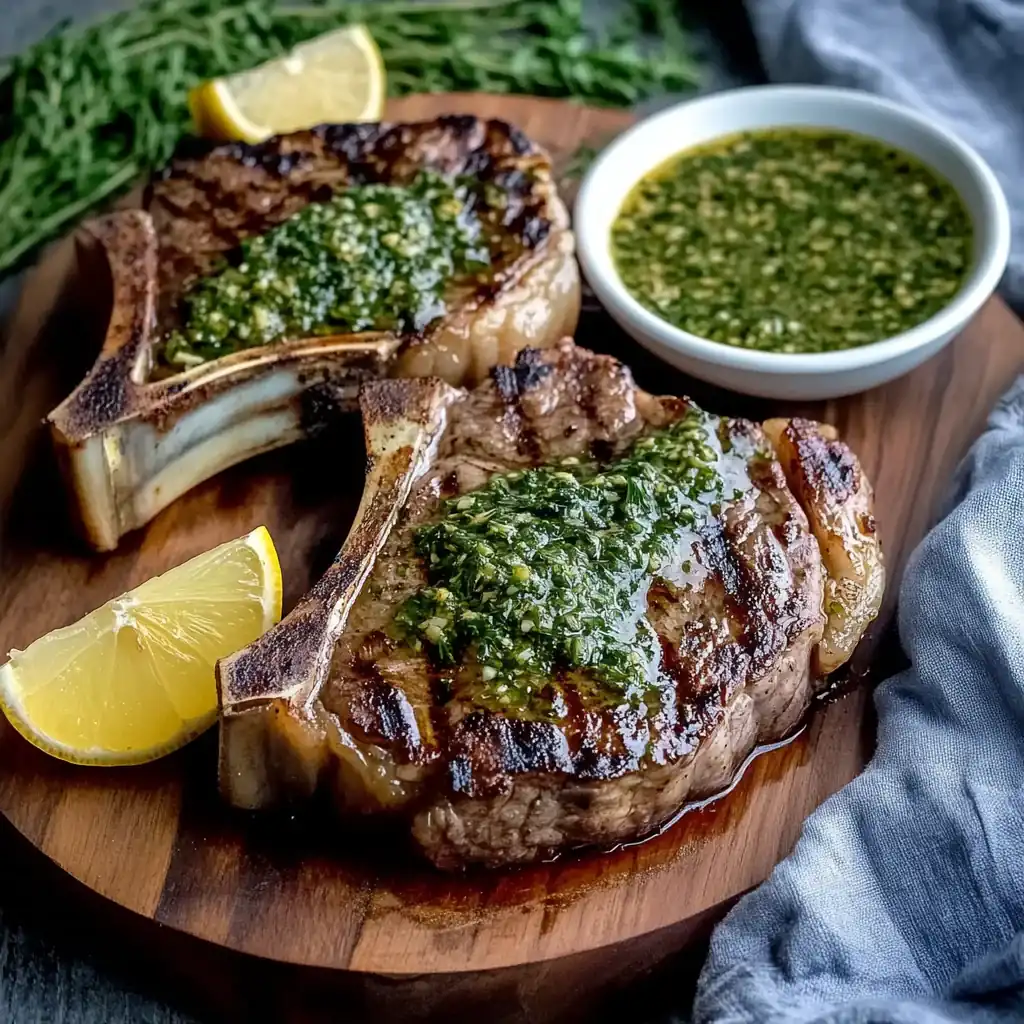
- Pat the steak dry with paper towels to ensure a proper Maillard reaction. Pro tip: Moisture on the surface creates steam, which prevents the crust from forming.
- Season the beef generously with coarse salt and cracked black pepper on all sides. Pro tip: Seasoning 45 minutes before grilling allows the salt to penetrate deeper into the muscle fibers.
- Sear the meat over high heat for approximately 5-7 minutes per side until a deep brown crust develops. Pro tip: Avoid moving the meat frequently to allow the proteins to caramelize properly.
- Whisk together the melted butter, lemon juice, lemon zest, minced garlic, and chopped parsley in a small bowl.
- Remove the steak from the grill and let it rest on a carving board for 10 minutes. Pro tip: This resting period allows the juices to redistribute, preventing the meat from drying out during slicing.
- Slice the steak thinly against the grain at a 45-degree angle.
- Drizzle the lemon-herb sauce over the sliced beef immediately before serving.
Always verify the internal temperature with a digital probe to avoid overcooking.
Ensure your grill grates are oiled to prevent the lean meat from sticking.
Avoid using a marinade with too much vinegar as it can make the exterior mushy.
Keep the sauce warm but do not boil it, or the butter will separate.
Slicing with the grain instead of against it will result in an unpleasant, chewy texture.
Perfecting the Cooking Process |
The technical success of this dish depends on the internal temperature. For a medium-rare finish, you must pull the steak off the heat when the center hits 130 degrees Fahrenheit, allowing the carry-over cooking to bring it to the final desired state. Why would anyone risk overcooking a lean cut when a thermometer provides absolute certainty?
Precision in timing is paramount. Because flank steak is thin, the window between the correct doneness and an overdone piece of meat is narrow. Constant vigilance and a high-heat environment are the only ways to achieve the contrast of a scorched exterior and a juicy interior.
Add Your Touch |
Consider substituting the parsley with fresh cilantro and adding a pinch of cumin for a Latin-inspired variation. This shift in aromatics complements the beef’s richness while introducing a different cultural profile to the plate.
Would you consider adding a tablespoon of capers to the sauce for an extra salty punch? This addition provides small bursts of brine that contrast beautifully with the creamy butter and bright lemon.
Storing & Reheating |
Store leftover sliced steak in an airtight glass container in the refrigerator for up to three days. Keep the sauce in a separate small jar to maintain its emulsion and prevent the meat from becoming soggy.
Reheat the steak gently in a pan over medium-low heat with a splash of water or beef broth. Avoid using a microwave, as the intense, uneven heat will toughen the fibers and destroy the texture.
1Use a very sharp carving knife to ensure clean slices without tearing the meat.
2Temper the meat sit at room temperature for 30 minutes before grilling.
3Use a cast iron grate for superior sear marks and heat distribution.
4Zest the lemon before juicing it for maximum efficiency and flavor extraction.
5Squeeze a tiny bit of extra lemon juice over the meat just before the sauce is added.
FAQ |
- ●Q: Why is my flank steak tough even after resting?A: This usually happens if you sliced the meat with the grain instead of against it. Flank steak has long, prominent muscle fibers; cutting across these fibers shortens them, making each bite much tender and manageable for the palate.
- ●Q: Can I use a different cut of beef for this recipe?A: You can use skirt steak, which is similar in structure and flavor profile. However, skirt steak is generally fattier, so you may need to adjust your grilling time and perhaps reduce the amount of butter in the sauce.
- ●Q: How do I know when the steak is medium-rare?A: The most reliable method is using a digital meat thermometer to hit 130-135 degrees Fahrenheit. If you do not have one, the meat should feel slightly springy when pressed, similar to the feel of the fleshy part of your palm.
- ●Q: My sauce separated into oil and solids; what happened?A: This occurs when the butter is heated too rapidly or the lemon juice is added to boiling butter. To fix this, whisk in a teaspoon of warm water or cream slowly to re-emulsify the fats and acids into a smooth consistency.
- ●Q: What side dishes pair best with this lemon-herb steak?A: Roasted asparagus or a crisp arugula salad with a light vinaigrette work excellently. These sides mirror the acidity of the sauce and provide a fresh contrast to the heavy, savory notes of the grilled beef.
- ●Q: Can I make the lemon-herb sauce ahead of time?A: You can prepare the herb and garlic mixture in advance, but do not add the butter until you are ready to serve. Butter-based sauces lose their luster and texture when refrigerated and reheated multiple times.
Grilled Flank Steak with Lemon-Herb Sauce Delight
- Total Time: 35 minutes
- Yield: 4 servings 1x
Description
A technically precise grilled flank steak featuring a high-heat sear and a bright, emulsified lemon-herb butter sauce.
Ingredients
- 1.5 lbs Flank Steak
- 4 tbsp Unsalted Butter, melted
- 1 tbsp Lemon Zest
- 2 tbsp Fresh Lemon Juice
- 3 tbsp Fresh Parsley, minced
- 3 cloves Garlic, minced
- Coarse Salt to taste
- Black Pepper to taste
Instructions
- Pat steak dry and season with salt and pepper.
- Preheat grill to high heat.
- Sear steak for 5-7 minutes per side until internal temp reaches 130F.
- Let steak rest for 10 minutes on a board.
- Whisk melted butter, lemon zest, lemon juice, garlic, and parsley together.
- Slice steak thinly against the grain.
- Drizzle sauce over the meat and serve.
- Prep Time: 20 minutes
- Cook Time: 15 minutes
- Category: Dinner
- Method: Grilling
- Cuisine: American