
Introduction |
Ready for a bite of sunlit summer? The scent of ripe tomatoes and fresh basil mingle in the air at my kitchen table, where I first experimented with anchoring mozzarella to toothpicks for a playful garnish. That moment sparked an idea: what if I snapped the ritual short to a skewer and let the flavours sing all at once?
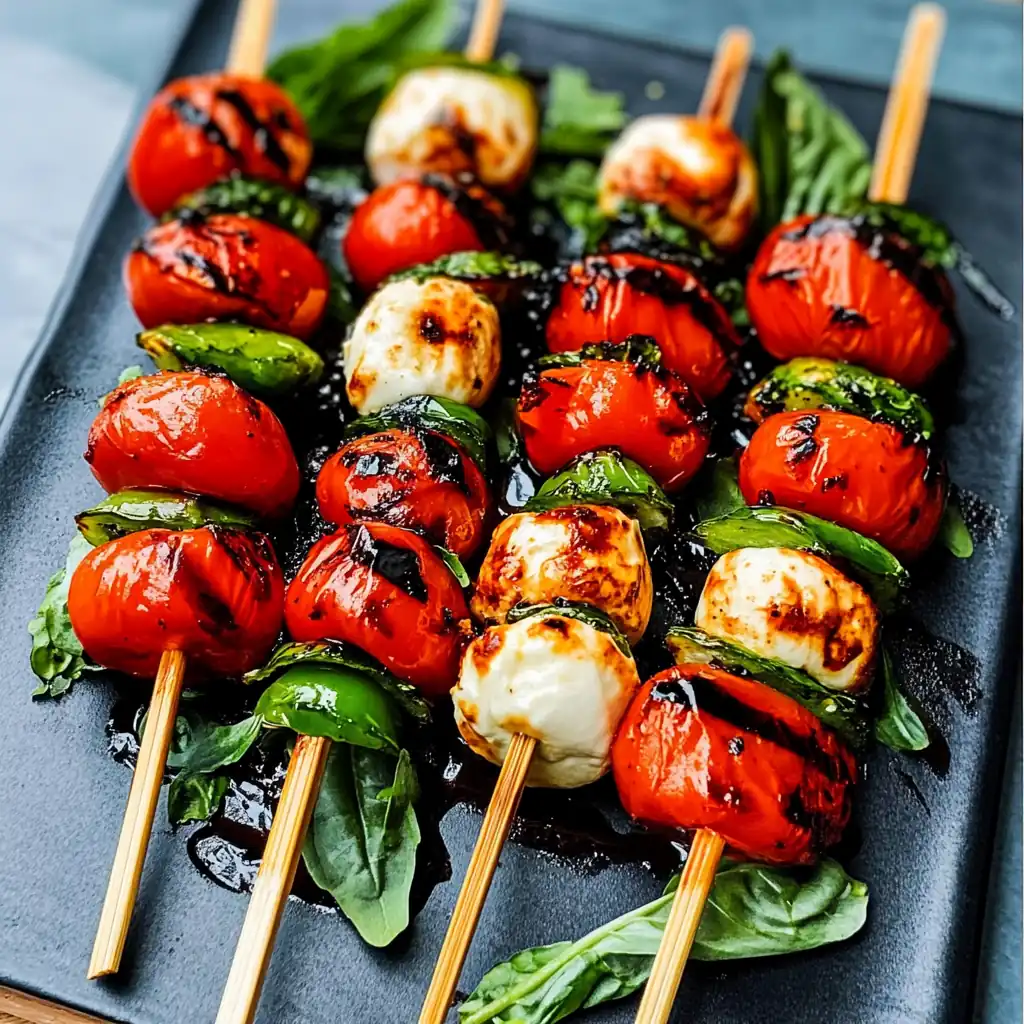
While the afternoon steam curled between chair legs, I threaded bright cherry tomatoes onto short rods, followed by a trio of fresh basil leaves, then a generous round of mozzarella spheres. A splash of extra‑virgin olive oil swirled over them, and a drizzle of aged balsamic glaze hooked the sweetness and tang, turning a sandwich staple into a living ice‑cream sundae.
- ●Instant burst of summer freshness
- ●Elegant presentation that impresses guests
- ●Minimal prep time keeps busy schedules on track
- ●Balancing sweet, salty, and herbaceous notes
- ●Versatile enough for appetizers, lunches, or side dishes
Essential Ingredients |
Cherry Tomato Once used as a sunscreen in street markets, these tiny gems bring a burst of red that galvanizes the senses, and they give the skewer a juicy, bright contrast to creamy mozzarella.
Fresh Basil Leaves Basil was once prized of its aromatic oils, and it lends a peppery green depth that keeps the skewer from feeling flat.
Fresh Mozzarella Balls Mozzarella rose from Italy’s plains, and its soft yet firm texture holds the skewer’s rhythm while soaking up surrounding flavors.
Extra‑Virgin Olive Oil Olive oil originated as a staple in ancient Mediterranean diets, and its nutty richness glides over berries, imparting depth and a slight sheen.
Balsamic Glaze Balsamic glaze began as a sweetened wine reduction in Parma, and when brushed onto the skewers it fuses sweetness and acidity into a glossy ribbon.
Sea Salt Sea salt, mined from evaporated seawater, connects the recipe to the ocean and sharpens every bite’s brightness.
Freshly Ground Black Pepper Black pepper was once a luxury spice, and its sharp bite punctuates the sweet, green, and creamy layers.
Wooden Skewers Wooden skewers, chosen for their natural temperature tolerance, prevent flashing and provide sturdy support to keep ingredients aligned.
 Let’s Make it Together |
- Soak your wooden skewers in warm water for ten minutes. The mineral absorption keeps them from cracking when exposed to heat or bite force during assembly.
- Rinse and pat dry the cherry tomatoes and basil leaves. Removing excess moisture prevents a soggy texture and allows the olive oil to cling to each surface.
- Slice mozzarella into roughly one‑inch cubes. Uniform size ensures consistent melting and balance across every skewer.
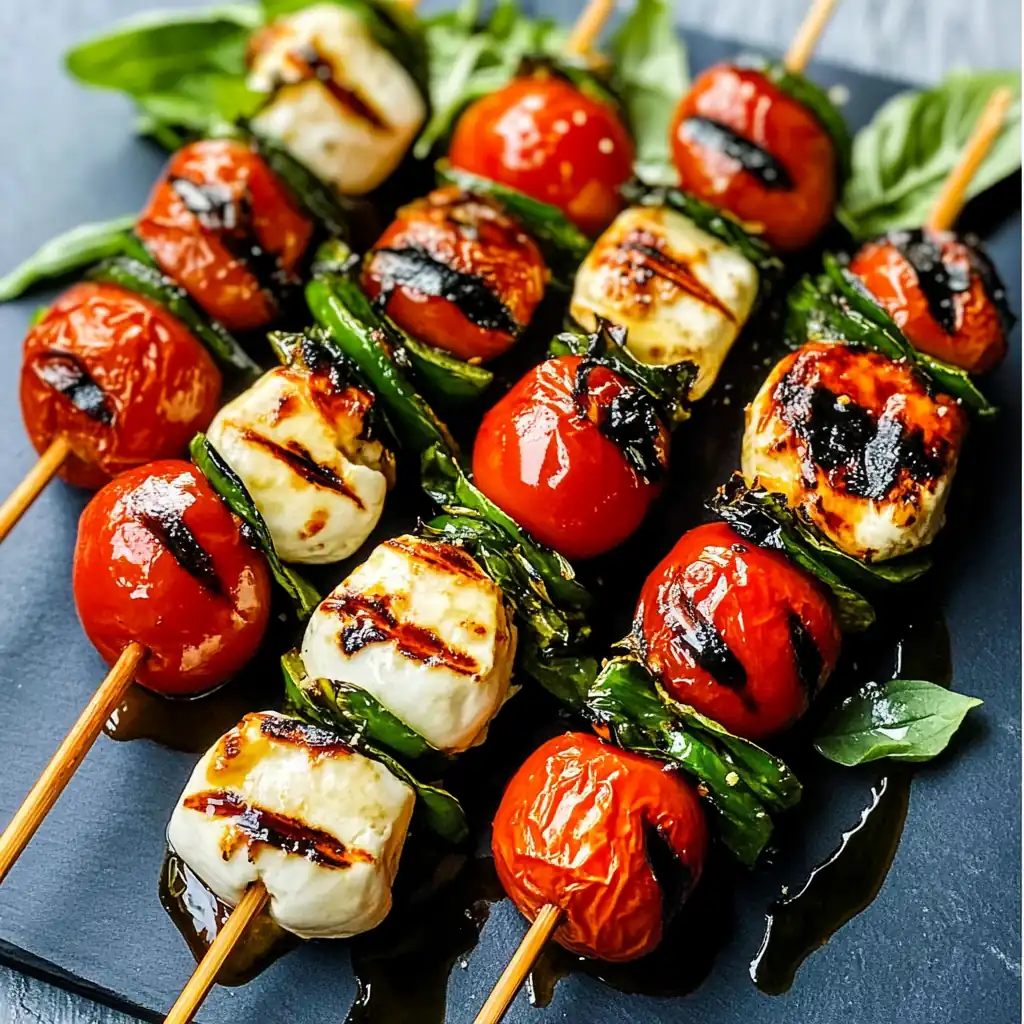
- Alternate ingredients on each skewer, beginning with a tomato, then basil, then mozzarella, and repeating. This layering drives edible interaction and populates each bite.
- After assembling, drizzle with a light coat of extra‑virgin olive oil. The oil seals flavors, prevents basil wilting, and gives the skewers a modest sheen.
- Finish with a gentle brush of balsamic glaze, then sprinkle sea salt and freshly ground black pepper. The glaze’s caramel sheen and the seasoning enhance each component without overpowering.
- Lay the prepared skewers on a chilled slate platter and serve immediately. If you need a break, store them briefly in a refrigerator and warm them on a low‑heat skillet for a minute just before serving.
Use fresh mozzarella that is less than 48 hours old, otherwise it releases more water and softens the overall texture.
Avoid over‑crowding skewers: if too tight, moisture will steam rather than crisp.
A quick rinse of basil in cold water eliminates pollen residue; ensure leaves are truly dry, or they’ll wilt.
When glazing with balsamic, hold the bottle at about 8 inches for an even coat; drooping will cluster flavors.
Store leftover skewers in an airtight container on the counter no longer than an hour; otherwise, mozzarella starts to melt.
Perfecting the Cooking Process |
To add warmth without melting, toss the assembled skewers briefly in a preheated skillet at low heat for one minute per side, just enough to caramelize the olive oil and keep basil vibrant.
When using balsamic glaze, let it sit for 30 seconds before coating; that prevents excess sugaring that can create a sticky surface. While quickest service is cold, if you prefer a warm bite, refrigerate for ten minutes then expose to mild heat before serving.
Add Your Touch |
Swap classic mozzarella for burrata or provolone to introduce silky or sharper notes, but remember to drain any extra whey to preserve structure. Mixing roasted red peppers or sun‑dried tomatoes between layers adds a smoky depth track.
For a gluten‑free twist, thread fresh zucchini ribbons and coconut‑spinach leaves, replacing basil, while using a sesame‑seeded basil leaf for crunch. Pair the skewers with a pinch of crushed red pepper flakes to hint at Mediterranean heat.
Storing & Reheating |
Place assembled skewers in a single layer plastic wrap or parchment‑lined tray. Refrigerate for up to six hours; avoid stacking to maintain crispness.
To refresh in a low‑heat oven at 325°F for two minutes, or pulse in a microwave on low for ten‑second bursts. This evaporation recaptures the basil’s aroma while keeping mozzarella firm.
1Use a timer to monitor balsamic glaze thickness; every two minutes you should see it shimmery but not sticky. Tip: create a coating drizzle with warm olive oil to help glaze even.
2Ensure skewers are not over‑thermally extended: quick 0.5-second pass each side for perishable ingredients saves texture. Maintaining minimal heat preserves the juicy bite.
3When threading to use a fresh basil leaf per skewer, consider brushing each leaf with a light coat of olive oil; this grants the leaf a longer shelf life and a slight sheen. For added flair, use micro‑herbs like peppadew florets.
4To accentuate sweet and salty balance, pour a small amount of aged sea salt on top after the final drizzle. The conversion triggers here engages the palate.
5Portion into small, bite‑sized skewers for appetizer service; for a main course, double the size and add an extra mozzarella half segment. Variation: set a ladle of cooled pesto between skewer rows.
Presentation Ideas |
Place skewers in a curved row on a matte slate platter, italicized by a single sprig of fresh basil on the far side. Add a feather‑thin drizzle of balsamic glaze, allowing the liquid to stick to each jewel together today.
Serve on a low‑profile rustic wooden tray, edge lined with a ribbon of mint sprigs. Provide a small bowl of lightly seasoned sea salt, gently misted olive oil at the center for guests to customize each bite’s level of brightness.
FAQ |
Irresistible Caprese Skewers: A 15-Minute Delight
- Total Time: 15 minutes
- Yield: 6 skewers
Description
Caprese Skewers bring together sun‑kissed cherry tomatoes, creamy basil mozzarella, and a touch of balsamic glaze, offering a fresh bite‑size appetizer or lunch. Their vibrant colors and bright flavors make them a quick crowd‑pleaser. One minute of preparation delivers a lively Mediterranean snack.
Ingredients
- Cherry tomatoes, 1 cup
- Fresh basil leaves, 12 leaves
- Fresh mozzarella balls, 8 balls
- Extra‑virgin olive oil, 2 tablespoons
- Balsamic glaze, 2 tablespoons
- Sea salt, 1/4 teaspoon
- Freshly ground black pepper, 1/4 teaspoon
- Wooden skewers, 12
Instructions
- Soak skewers in warm water for 10 minutes
- Rinse and pat dry tomatoes, basil, mozzarella
- Slice mozzarella into cubes
- Assemble skewers with alternating ingredients
- Drizzle olive oil over assembled skewers
- Brush balsamic glaze, sprinkle salt and pepper
- Arrange on platter and serve immediately or reheat briefly
- Prep Time: 15 minutes
- Cook Time: 0 minutes
- Category: Appetizer
- Method: Assembly
- Cuisine: Italian